
Why F1 is shortening races in 2027
Week 35, 2026
Formula 1 is preparing to shorten grands prix in 2027 as it reshapes the balance between electrical and combustion power. The move could alter strategy, race flow and the sport’s long-form identity.
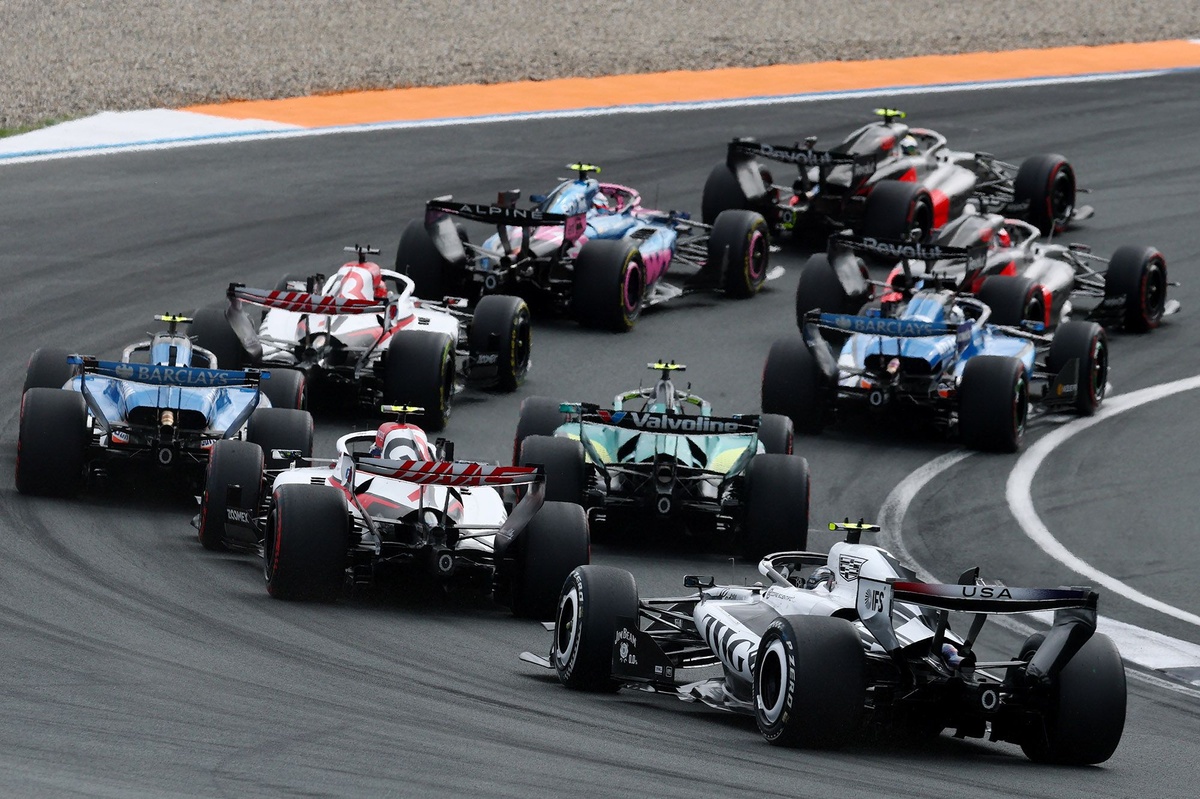
Formula 1’s plan to shorten every grand prix from 2027 is more significant than a simple distance tweak. According to the reporting, the series is moving toward a shorter race distance for all grands prix, a change tied directly to the revised balance between electrical and internal-combustion power in the next technical formula. That makes the decision a structural response to what the new cars are expected to need, rather than a cosmetic adjustment to the calendar.
The detail that matters most is how broad the agreement now appears to be. Earlier in the season, when stakeholders were discussing the technical reset, the shorter-distance idea was understood as something that might affect only a handful of races. The latest reports say the maximum length will instead apply to all grands prix. That shift suggests the sport no longer sees this as a selective fix for a few awkward venues, but as a standard part of how Formula 1 wants the race weekend itself to function.
That is a strong signal about the electrical side of the 2027 engine formula. If the power-unit architecture is moving toward a different split between electric and combustion output, the race distance has to make sense with that energy profile. In practical terms, Formula 1 appears to be acknowledging that a longer grand prix may not fit neatly with the new power demands, at least not without creating an excessive emphasis on energy conservation. The shorter-distance approach looks like an attempt to keep the racing viable, competitive and usable over a full grand prix distance as the power units evolve.
That also helps explain why the debate matters beyond the engine room. Race distance shapes how a grand prix feels from the pit wall to the grandstand. A shorter event can compress the strategic window, reduce the number of opportunities to recover from a poor start or a compromised qualifying session, and make track position even more valuable. It may also reduce the extent to which tyre management and long-run pacing define the rhythm of a Sunday afternoon. In other words, the change could make races feel sharper and more immediate, but it could also leave less room for the slower-building narratives that have often been part of Formula 1’s appeal.
Subscribe to continue reading the full story.
Unlock access